Excavator arm extension for demolition work: what to consider
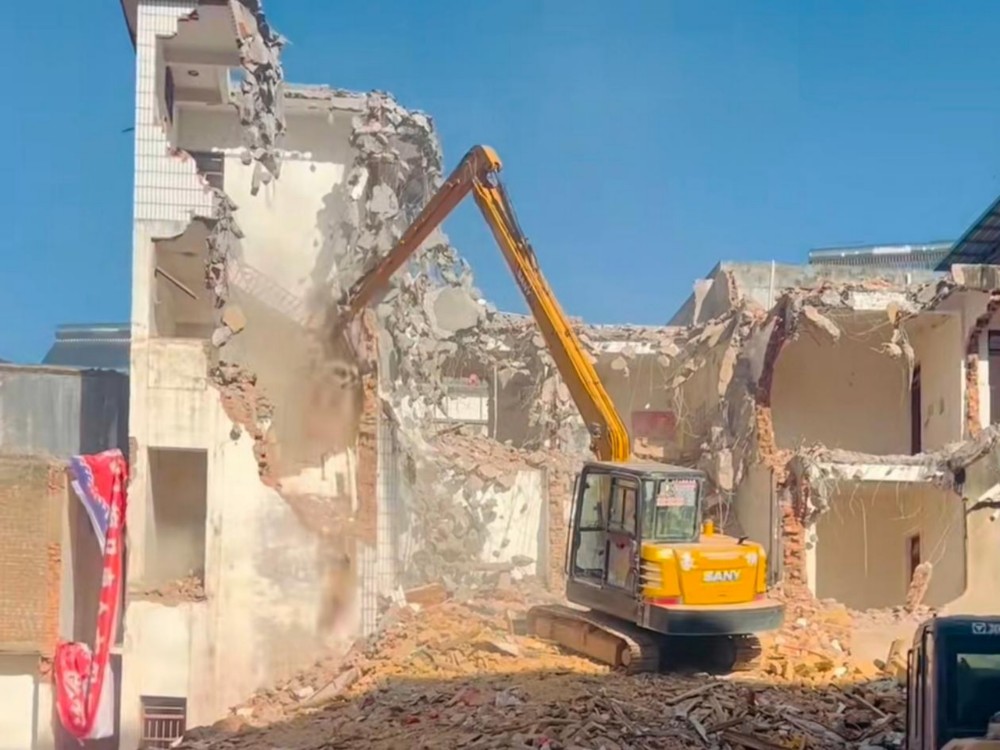
This article dives into what contractors, equipment managers, and operators need to consider when preparing an excavator for demolition tasks using an extended arm.
Why Use a Long Arm for Demolition?
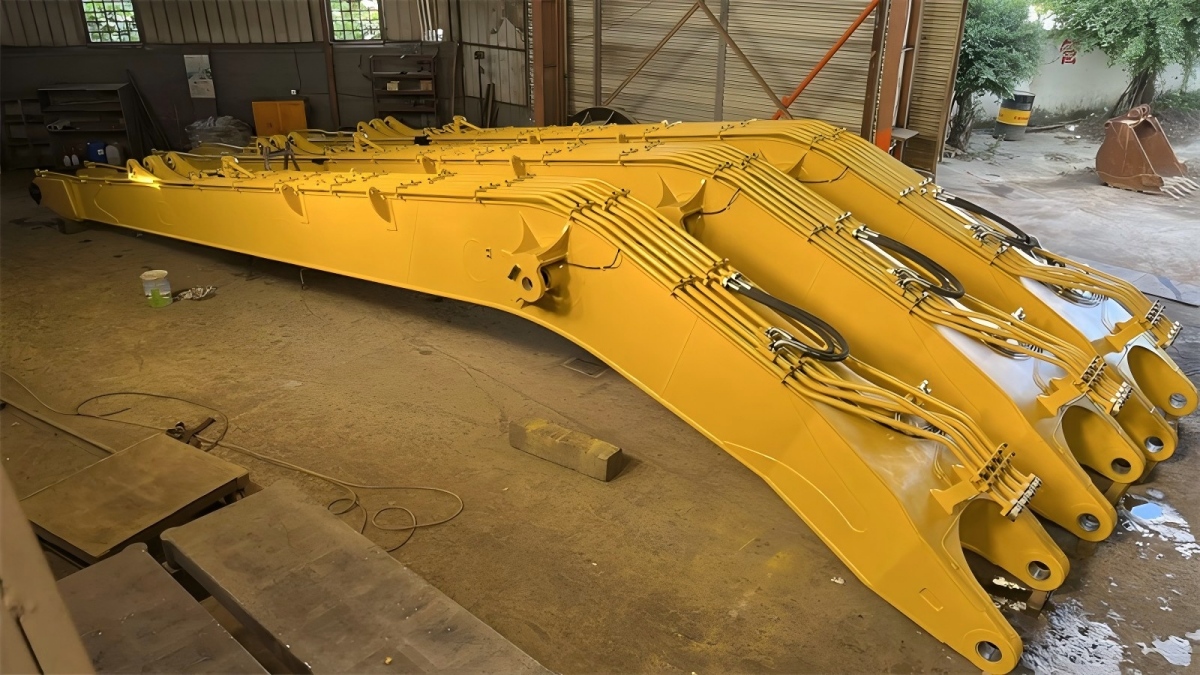
A demolition long arm increases the vertical and horizontal working range of an excavator. This allows operators to reach higher elevations (e.g., multi-story buildings) or farther distances from a safe base position. The added reach also improves visibility and safety, reducing the need to reposition the machine frequently.
Typical benefits:
Safely dismantling upper floors or tall structures
Reaching over obstacles such as fences or walls
Avoiding instability by staying farther from the demolition zone
Minimizing machine movement, saving time and fuel
However, these benefits come with structural and operational trade-offs that must be considered.

Considerations for Demolition Long Arm Selection
1. Excavator Base Machine Compatibility
Not all excavators can handle the extra length and weight of a long demolition arm. The base machine must have sufficient weight and hydraulic capacity to balance the extended attachment.
Minimum machine weight: 20 tons and above recommended
Counterweight upgrades may be required
Undercarriage reinforcement for added stability
Hydraulic pump output should match the demands of the demolition tools
2. Length of Extension Arm
Demolition arms come in different lengths, often classified by reach:
Medium reach: 12–18 meters
High reach: 20–30 meters
The choice depends on:
Building height and demolition sequence
Site layout and accessibility
Boom and stick combination (2-piece or 3-piece)
Too long a reach can compromise stability, especially without a reinforced counterweight.
3. Attachment Compatibility
The tools used at the end of the arm must be compatible in size, weight, and hydraulic demand.
Common demolition attachments:
Pulverizers
Each tool has its own weight and force requirement. Overloading the boom risks structural failure.

4. Hydraulic Requirements and Hose Routing
A longer arm setup demands longer and more robust hydraulic hoses. Ensure:
Flow rate and pressure match tool requirements
Proper routing with wear-resistant sleeves
Protection from debris and heat
Some setups include additional safety valves to prevent sudden drops or hose bursts during demolition.
5. Counterweight and Stability
Stability is a critical factor. Demolition with a long arm introduces new leverage forces that can tip the excavator.
Ensure:
Heavier counterweight is installed (custom or factory upgrade)
Wide and extended undercarriage for balance
Use of outriggers or stabilizing pads in extreme cases
An improperly balanced machine can become dangerous during overhead demolition.
6. Boom Quick Coupling System (if applicable)
For contractors switching between high-reach and standard booms, a hydraulic quick coupling system enables faster conversion. These systems must:
Lock securely under dynamic loads
Provide sealed hydraulic connections
Be field-tested for demolition applications

Jobsite Safety Requirements
Using a demolition long arm changes the dynamic of the jobsite. Operators must adjust their methods, and safety plans must evolve.
Operator Visibility
Camera systems for blind spots
Clear line of sight for the arm tip
Structural Collapse Risk
Avoid working directly under overhead structures
Pre-plan demolition sequence to reduce hazards
Emergency Systems
Emergency lowering function for the arm
Arm-stop or boom limitation sensors to prevent over-extension
Debris Control
Dust suppression via water spraying systems
Netting or fencing to contain falling material
Transport and Assembly On-Site
Demolition long arms often require disassembly for transport. Key points:
Plan transport routes for overlength cargo
Use certified lifting equipment to assemble the arm on site
Check pin and joint integrity after every assembly
Some demolition arms are modular, allowing quick reconfiguration between projects with different reach needs.
Maintenance and Inspection
Extended booms in demolition environments endure more stress and wear than standard excavator arms. Increase maintenance frequency for:
Structural integrity checks (welds, cracks)
Hydraulic hose wear and pressure testing
Pin and bushing lubrication
Cylinder rod inspection
Log all inspections and service intervals to avoid unexpected failures during operation.
Real-World Application Case
A demolition company in Germany used a 30-meter long arm on a 45-ton base excavator to bring down a decommissioned concrete factory. They installed a reinforced 5-ton counterweight and custom outriggers. The project timeline was reduced by 25% compared to scaffold-based manual demolition, and no operator injuries were recorded, thanks to remote monitoring and a specialized cab protection cage.
Using a demolition long arm requires more than just bolting on a longer boom. It’s a strategic adaptation that demands engineering adjustments, safety planning, and operational discipline. With the right equipment pairing and an experienced crew, it becomes a powerful solution for tackling large and high-risk demolition projects efficiently and safely.
Top 5 Mistakes People Make When Installing an Excavator Long Arm
How to choose the right hydraulic grapple for your excavator?