Is There Anything I Can Use for Leaking Hydraulic?

In this article, we will explore everything about fixing hydraulic leaks, including practical methods for hydraulic leak repair, causes of leaks, and preventive strategies. This guide will help you handle leaks effectively and reduce downtime.
Understanding Hydraulic Leaks and Their Impact
Before we talk about how to fix hydraulic leak, it’s important to understand what causes hydraulic fluid to leak and why this problem needs urgent attention.
What Causes Hydraulic Leaks?
Several factors can lead to leaks in hydraulic systems:
Damaged Seals and O-Rings: Over time, seals become brittle, cracked, or worn out. This is one of the leading causes of leaks.
Loose Fittings and Connections: Hydraulic lines experience vibration and pressure fluctuations, which can loosen fittings and create leaks.
Aged Hoses: Hoses degrade due to heat, pressure, and exposure to harsh environments, leading to cracks and leaks.
Excessive Pressure: Overpressurizing the system can damage components and cause fluid to escape from weak points.
When these issues occur, the question arises again: Is there anything I can use for leaking hydraulic? Yes, there are solutions, and we’ll cover them in detail.
Why You Should Never Ignore a Hydraulic Leak
A small hydraulic leak may not seem like a big deal, but it can cause:
Operational Downtime: Leaks reduce system efficiency and can lead to equipment breakdown.
Environmental Hazards: Hydraulic fluid spills are harmful to the environment and can violate regulations.
Safety Risks: Leaks can create slippery surfaces, increasing the chance of workplace accidents.
Increased Costs: Loss of fluid, damaged parts, and labor for emergency repairs add up quickly.
Addressing leaks promptly using effective hydraulic leak repair techniques saves time and money in the long run.
Best Solutions to Fix Hydraulic Leak
When dealing with hydraulic leaks, there are two approaches: temporary fixes and permanent repairs. Both methods play a role in maintenance, depending on the severity and urgency of the leak.
Temporary Fixes: Is There Anything I Can Use for Leaking Hydraulic?
Sometimes, you just need a quick solution to keep the machine running until you can perform a full repair. If you're wondering, “Is there anything I can use for leaking hydraulic?”, here are some practical options:
Hydraulic Leak Sealants: These are additives designed to swell seals and reduce leaks internally. They work best for minor seal deterioration, not for major damage.
Epoxy or Putty Repair Kits: Epoxy can temporarily seal small cracks on metal surfaces or joints. This is a short-term solution until proper parts replacement.
Hydraulic Hose Tape: Special high-pressure tapes can wrap around a leaking hose as an emergency fix. However, these are not permanent and should be monitored closely.
While these methods can keep your equipment operational, they are not substitutes for a full hydraulic leak repair.
Permanent Fixes: How to Fix Hydraulic Leak Properly
To fix hydraulic leak permanently, follow these steps:
Identify the Leak Source: Clean the area thoroughly and use leak detection fluid or UV dye to pinpoint the exact spot.
Relieve System Pressure: Never attempt repair under pressure; this is dangerous and can cause injury.
Replace Worn Components: This includes seals, hoses, or fittings. Always use high-quality OEM parts for longevity.
Torque Connections Correctly: Over-tightening can damage threads and cause new leaks. Follow manufacturer specifications.
Test the System: After repair, run the system at normal operating conditions to ensure no further leakage.
These steps are the foundation of effective hydraulic leak repair and should be part of every maintenance routine.
Essential Tools and Materials for Hydraulic Leak Repair
If you plan to fix hydraulic leak yourself, make sure you have:
Wrenches and Torque Tools: For tightening and loosening hydraulic fittings safely.
Replacement Seals and Hoses: Always stock common parts for quick repairs.
Hydraulic Oil: You’ll need to top up fluid after a repair.
Safety Gear: Gloves and eye protection are essential to avoid injuries from pressurized fluid.
These tools make the repair process faster, safer, and more efficient.
Common Mistakes to Avoid When Fixing Hydraulic Leaks
Even experienced technicians make errors that can lead to recurring problems. Here are mistakes to avoid:
Using the Wrong Sealant: Not all sealants are compatible with hydraulic fluid. Using the wrong product can damage the system.
Over-Tightening Fittings: This often leads to cracked components or damaged threads.
Ignoring System Pressure: Always depressurize before starting any hydraulic leak repair.
Skipping Inspection: If one part is worn out, others may be too. Always inspect the entire system during a repair.
Avoiding these mistakes ensures a longer-lasting solution and safer operation.
Preventive Measures to Avoid Future Hydraulic Leaks
Prevention is always better than cure, especially when it comes to hydraulic systems. Here are some key strategies:
Regular Maintenance: Inspect hoses, fittings, and seals for early signs of wear.
Maintain Cleanliness: Dirt and debris accelerate seal wear. Keep hydraulic oil clean and replace filters regularly.
Avoid Excessive Pressure: Always operate within the recommended pressure limits.
Proper Storage: Store hoses and seals in a clean, dry place to extend their lifespan.
By following these tips, you’ll reduce the need for frequent hydraulic leak repair and keep your equipment running smoothly.
Final Thoughts
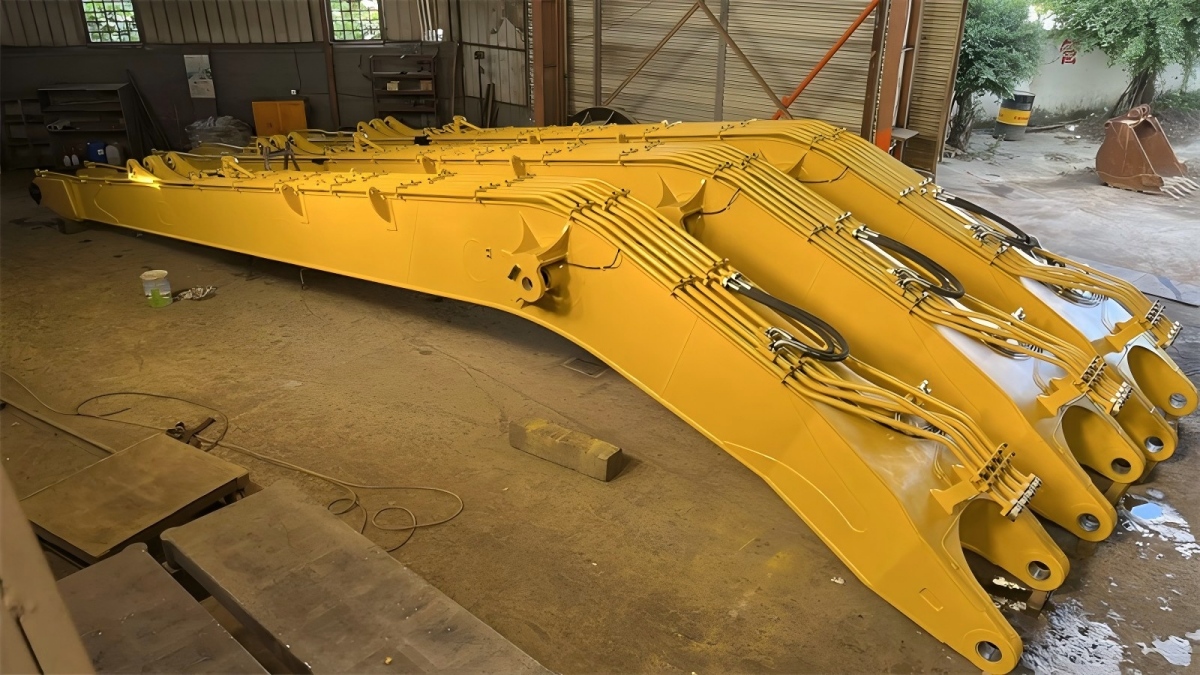
Hydraulic leaks are a common challenge in equipment maintenance, especially on machines like an excavator long reach boom, but with the right approach, they are manageable. If you’ve been asking, “Is there anything I can use for leaking hydraulic?”, now you know that while temporary fixes exist, permanent solutions like replacing worn components are essential.
To summarize:
Use quick fixes like sealants or tapes only as a temporary measure.
Always prioritize proper hydraulic leak repair to ensure safety and efficiency.
Regular maintenance is the best defense against future leaks.
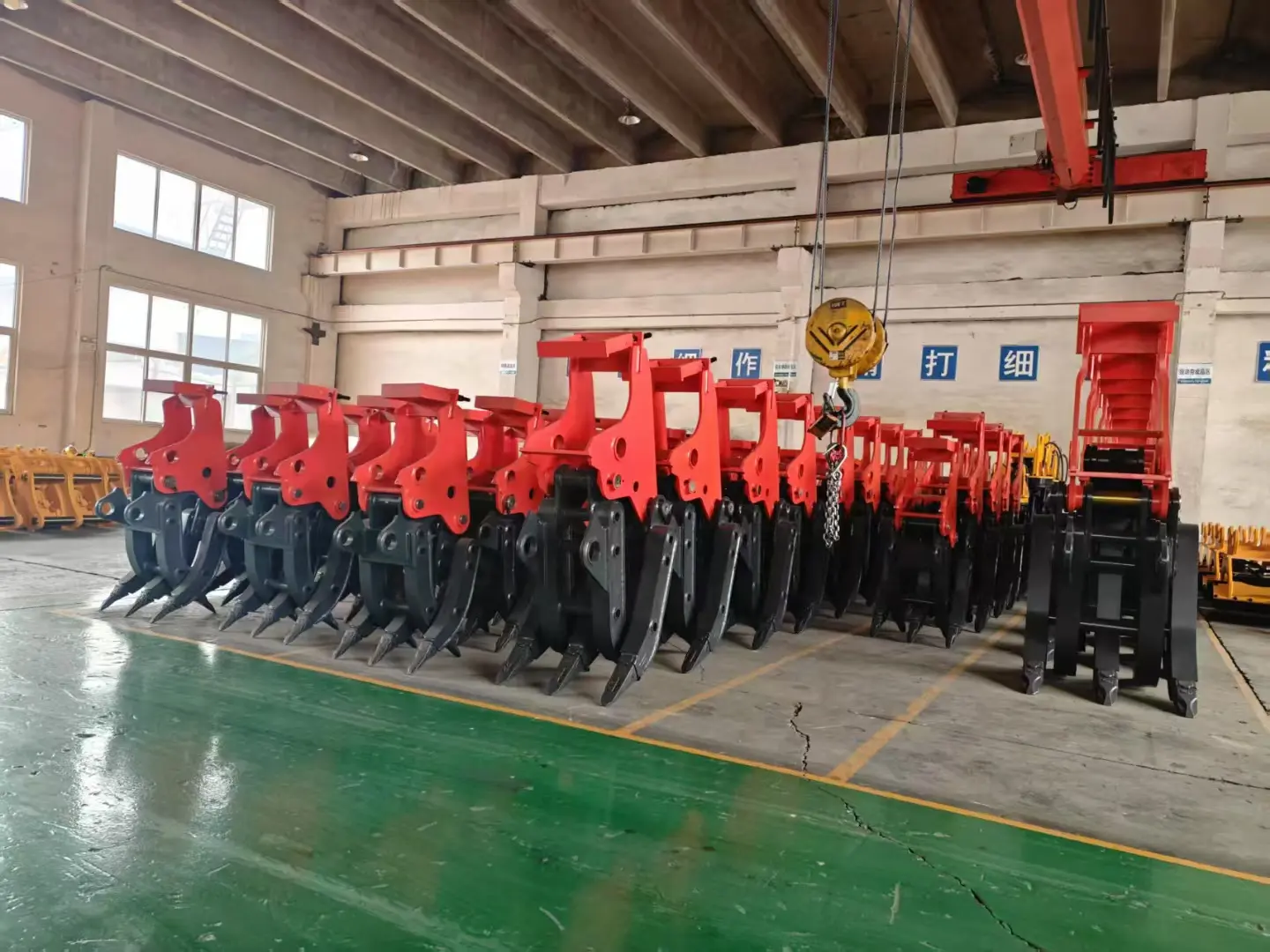
Whether you’re dealing with a small hose leak on an excavator attachment or a major seal failure in an excavator long reach boom, understanding how to fix hydraulic leak correctly will save time, money, and prevent costly downtime. For those looking for durable solutions, Dewanda provides high-quality excavator parts, including long reach booms, sticks, and custom attachments designed to withstand heavy-duty operations and minimize maintenance issues. Choosing Dewanda means you get reliable components that help reduce the risk of hydraulic leaks and extend the life of your equipment.

Bobcat Mini Excavator with Kubota Engine – Operating Temperature Range
How to Use Quick Coupler on Excavator?