Are extended reach booms suitable for underwater applications ?


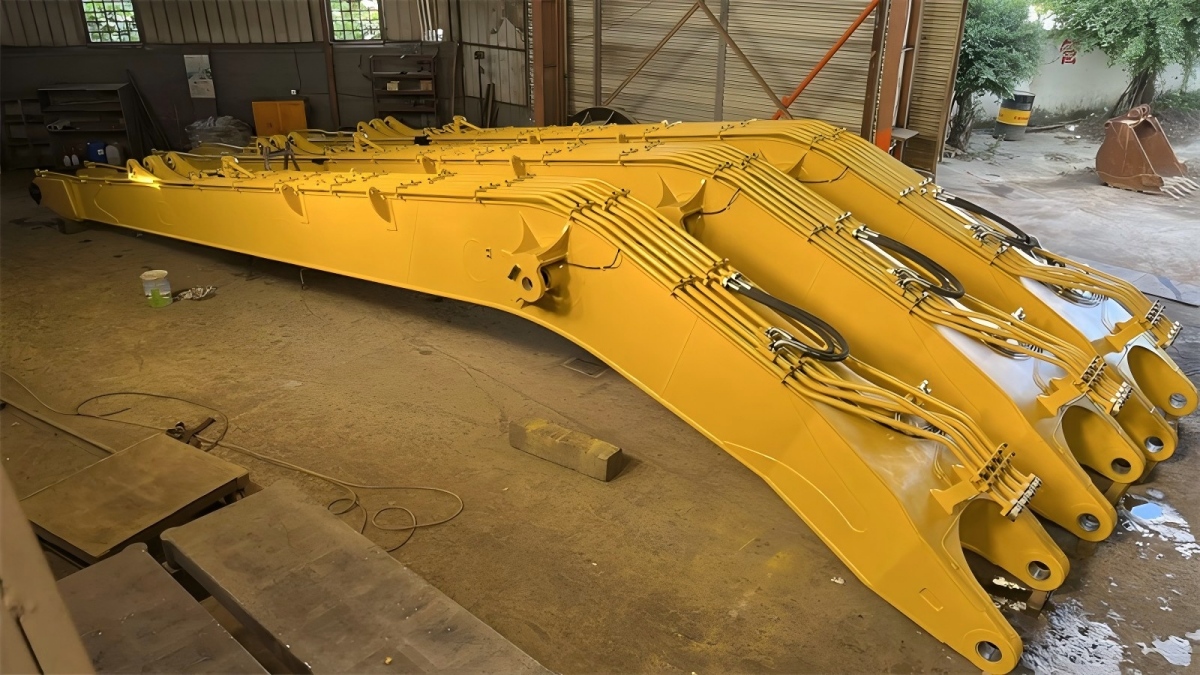
The construction and marine industries are increasingly adopting specialized machinery to tackle challenging environments, and one question frequently arises: Are excavator extended reach booms suitable for underwater applications? To answer this, we must analyze the structural capabilities, material resilience, and operational adaptability of these components. Extended reach booms—also referred to as long digger arms or arm excavator extensions—are engineered to perform tasks in hard-to-reach areas. However, their application in underwater settings introduces unique complexities. This article explores the viability of extended reach booms in submerged environments, addressing technical considerations, real-world use cases, and innovations from industry leaders like Dewanda Corporation.
Understanding Extended Reach Booms
Extended reach booms are hydraulic excavator attachments designed to extend the operational radius of conventional excavators. These components, often called "long digger arms," enable operators to reach greater depths, heights, or distances without repositioning the machine. Typical applications include deep excavation, demolition of tall structures, and dredging near water bodies. The arm excavator’s extended reach is achieved through modular design, combining reinforced steel segments with advanced hydraulic systems to maintain stability under heavy loads.
However, underwater environments pose distinct challenges. Submerged operations require resistance to corrosion, pressure, and reduced visibility. Can extended reach booms withstand these conditions? Recent advancements in material science and hydraulic engineering have made it possible to address these challenges, but careful planning and adaptation remain essential.
Challenges of Underwater Applications
The deployment of excavator extended reach booms in underwater environments introduces a unique set of challenges that demand meticulous engineering and operational foresight. While these long digger arms excel in terrestrial and shallow-water projects, submerged applications amplify risks related to material durability, system reliability, and operator safety. Below, we explore these challenges in depth, providing insights into why specialized adaptations are critical for success.
1. Corrosion: The Silent Threat
Corrosion is the foremost adversary of submerged machinery, particularly for extended reach booms and arm excavators exposed to water for prolonged periods. As global marine infrastructure projects continue to expand, the need for corrosion-resistant materials and coatings has become increasingly urgent.
Saltwater vs. Freshwater:
In marine environments, saltwater accelerates electrochemical reactions, leading to rapid oxidation of steel components. Chloride ions penetrate protective coatings, causing pitting corrosion that weakens structural joints. Freshwater, while less aggressive, still promotes rust formation, especially in stagnant or oxygen-deprived conditions. For projects in brackish water zones, such as estuaries, the corrosion challenge is compounded by fluctuating salinity levels.
Galvanic Corrosion:
When dissimilar metals (e.g., steel bolts in aluminum segments) are submerged, galvanic corrosion occurs. This electrochemical process erodes the less noble metal, compromising the integrity of the entire arm excavator assembly. In multi-material designs, careful selection of compatible metals and isolation techniques is critical.
Microbiologically Influenced Corrosion (MIC):
Underwater sediments and biofilms harbor bacteria that produce corrosive byproducts. For example, sulfate-reducing bacteria generate hydrogen sulfide, which reacts with metal surfaces to form weak spots in extended reach booms. MIC is particularly problematic in low-flow environments where biofilms thrive.
Mitigation Strategies:
To combat corrosion, manufacturers like Dewanda Corporation employ multi-layered defenses:
Epoxy and Polyurethane Coatings: These create a barrier against water and chemical penetration.
Cathodic Protection: Sacrificial zinc anodes attached to the long digger arm corrode preferentially, shielding critical components.
Stainless Steel or Aluminum Alloys: Materials like duplex stainless steel offer inherent resistance to pitting and crevice corrosion.
Biofilm-Resistant Surfaces: Advanced coatings inhibit bacterial adhesion, reducing MIC risks.
2. Hydraulic System Vulnerabilities
The hydraulic systems powering extended reach booms face heightened risks underwater. Even minor leaks or pressure imbalances can lead to catastrophic failures. As underwater operations deepen, the demands on hydraulic systems intensify, requiring innovative solutions to ensure reliability.
Water Ingress:
Submerged hydraulic cylinders and valves are prone to water infiltration through seals or microscopic gaps. Contaminated hydraulic fluid loses lubricity, increasing friction and wear in pumps and motors. Over time, this degrades the arm excavator’s performance. In deep-water applications, the risk of water ingress is further exacerbated by increased pressure differentials.
Pressure Imbalances:
Underwater pressure increases by approximately 1 bar per 10 meters of depth. Standard hydraulic systems, designed for surface use, may struggle to maintain pressure equilibrium, causing seals to rupture or hoses to collapse. For projects requiring extended reach in deep-water environments, pressure-compensated systems are essential.
Fluid Contamination:
Water mixing with hydraulic oil forms emulsions, reducing the fluid’s ability to transmit power efficiently. This leads to sluggish movement of the long digger arm and overheating of components. Real-time monitoring of fluid condition is critical to prevent unexpected failures.
Innovative Solutions:
Dewanda’s underwater-ready extended reach booms integrate:
Pressure-Compensated Hydraulics: Systems automatically adjust internal pressure to match external water pressure, preventing seal failure.
Double-Lip Seals with Hydrophobic Grease: These repel water while maintaining lubrication.
Modular Filtration Units: Real-time oil purity monitoring ensures contaminants are removed before critical damage occurs.
Subsea Hydraulic Reservoirs: Isolated reservoirs prevent fluid contamination from external water sources.
3. Operational Precision and Control Limitations
Operating an arm excavator underwater is akin to working blindfolded. Visibility, buoyancy, and environmental forces complicate tasks requiring precision. As underwater projects grow in complexity, the need for advanced control systems becomes increasingly apparent.
Low Visibility:
Murky water, silt, and algae obstruct the operator’s view, making it difficult to position the extended reach boom accurately. In deep or turbid conditions, reliance on cameras or sonar becomes essential, but these systems have latency and resolution limitations. Advanced imaging technologies, such as high-definition sonar and thermal cameras, are being developed to address these challenges.
Currents and Turbulence:
Water currents exert lateral forces on the long digger arm, destabilizing the excavator. For example, in tidal zones, fluctuating currents can misalign the boom’s trajectory during dredging or lifting operations. Real-time current monitoring and adaptive control algorithms help mitigate these effects.
Remote Control Challenges:
Remotely operated underwater arm excavators depend on tethered or wireless communication. Signal delays, interference, or power loss can result in unplanned movements, risking damage to the equipment or surrounding infrastructure. Redundant communication channels and autonomous operation capabilities are becoming standard in modern underwater systems.
Dewanda’s Approach:
The company addresses these issues with:
Integrated Sensor Arrays: LiDAR and sonar systems provide 3D mapping of the workspace, fed to operators via augmented reality interfaces.
Auto-Stabilization Algorithms: Hydraulic adjustments counterbalance current-induced shifts in real time.
Redundant Control Systems: Fail-safe protocols ensure the extended reach boom halts safely if communication is interrupted.
AI-Driven Predictive Controls: Machine learning algorithms anticipate environmental changes and adjust operations proactively.
4. Buoyancy and Stability Risks
The extended reach boom’s length and weight distribution fundamentally alter the excavator’s stability when submerged. As projects move into deeper waters, maintaining stability becomes a critical engineering challenge.
Negative Buoyancy:
Steel-heavy long digger arms sink rapidly, requiring significant counterweights to maintain neutral buoyancy. Without proper balancing, the arm excavator may tilt or sink into soft seabeds, immobilizing the machine. Dynamic buoyancy adjustment systems are essential for operations in variable depth environments.
Center of Gravity Shifts:
When fully extended underwater, the boom’s weight shifts away from the excavator’s base. This creates a lever effect, increasing the risk of tipping—especially on sloped or uneven underwater terrain. Advanced weight distribution algorithms help maintain stability during extension and retraction.
Hydrodynamic Forces:
Water resistance against the extended reach boom generates drag, forcing the excavator to expend more energy to move or hold position. In strong currents, this can lead to structural fatigue or sudden equipment slippage. Streamlined boom designs and active drag compensation systems are being developed to address these issues.
Engineering Countermeasures:
To enhance stability, Dewanda’s designs incorporate:
Adjustable Buoyancy Modules: Attachable air- or foam-filled chambers offset the arm’s weight.
Active Ballast Systems: Water pumps transfer ballast between tanks to dynamically stabilize the excavator.
Reinforced Outriggers: Wider, non-slip pads distribute weight evenly on unstable seabeds.
Hydrodynamic Stabilizers: Wing-like structures reduce drag and improve maneuverability in currents.
5. Maintenance and Accessibility Issues
Underwater environments complicate routine maintenance and repairs, escalating downtime and costs. As projects become more remote and depths increase, the challenges of maintenance grow exponentially.
Limited Access:
Submerged components, such as hydraulic joints or sensor modules on the extended reach boom, are difficult to inspect or service without specialized diving teams or remotely operated vehicles (ROVs). Autonomous underwater inspection drones are emerging as a solution to this problem.
Biofouling Accumulation:
Algae, barnacles, and mussels colonize submerged surfaces, adding weight to the long digger arm and obstructing moving parts. Manual cleaning is labor-intensive and risks damaging sensitive components. Self-cleaning technologies, such as ultrasonic vibration systems, are being developed to minimize biofouling.
Corrosion Monitoring:
Traditional inspection methods (e.g., visual checks) are impractical underwater. Predictive maintenance relies on embedded sensors, which must themselves be resistant to water damage. Distributed fiber optic sensors are being integrated into boom structures to provide real-time corrosion monitoring.
Dewanda’s Maintenance Innovations:
Self-Cleaning Coatings: Silicone-based surfaces prevent biofouling adhesion.
Modular Component Design: Quick-release segments allow damaged parts to be replaced without retrieving the entire arm excavator.
Predictive Analytics Platform: Cloud-based software analyzes sensor data to forecast maintenance needs, reducing unplanned downtime.
Subsea Repair Kits: Pre-positioned repair modules enable rapid maintenance without requiring specialized diving teams.
Navigating Complexity with Expertise
Underwater applications magnify the inherent challenges of using extended reach booms, from corrosive degradation to hydrodynamic instability. However, these obstacles are not insurmountable. Through advanced materials, intelligent hydraulics, and adaptive control systems, manufacturers like Dewanda Corporation are redefining what’s possible with submerged arm excavators. As one marine contractor noted after using Dewanda’s long digger arm in a coastal restoration project: "The precision and durability of their extended reach boom turned a high-risk operation into a routine task."
For industries venturing into underwater construction or dredging, understanding these challenges is the first step toward mitigating them. Partnering with innovators who prioritize submerged-ready engineering ensures that extended reach booms deliver both performance and longevity beneath the waves. As technology continues to advance, the capabilities of these systems will expand, opening new frontiers for underwater infrastructure development.
In the face of underwater engineering, if you have trouble, please contact us for you to customize a boom that can be used underwater applications.
Contact us for more information //www.dewandaparts.com/
How to maintain a long reach digger boom for mximum longevity ?
Can I retrofit a long boom to my existing excavator ?