Excavator bucket damaged? Repair or replace?
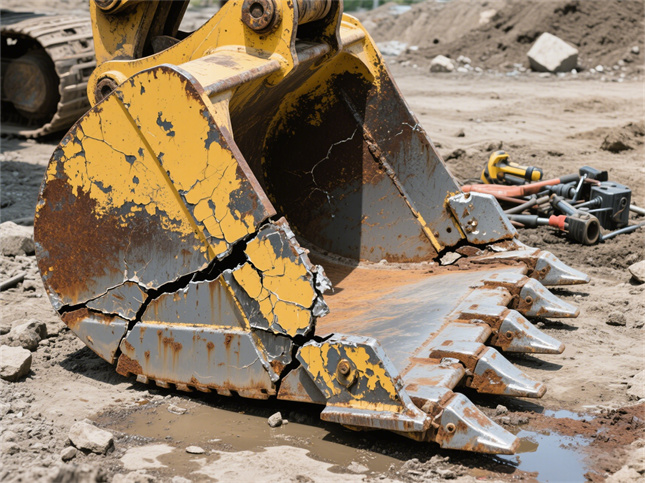
The cost savings of repairing an excavator bucket compared to buying a new one can be significant, depending on factors like the extent of damage, the bucket's size, and the repair method. Whether you are researching excavator bucket repair cost or evaluating whether to repair excavator bucket versus replace excavator bucket, understanding the financial implications is crucial for making an informed decision.
Cost of a New Excavator Bucket
Purchasing a new excavator bucket can be a substantial investment, especially for heavy-duty or specialized equipment. The cost varies widely based on several factors, including the bucket's size, material, brand, and intended use.
Standard Buckets: These are typically used for general excavation tasks and range in price from $1,000 to $10,000. The cost depends on the bucket's size, the quality of materials used, and the manufacturer’s brand reputation. Smaller buckets for compact excavators may cost closer to $1,000, while larger buckets for heavy-duty machines can approach $10,000.
Heavy-Duty or Specialized Buckets: These are designed for demanding applications such as mining, demolition, or trenching. Prices for these buckets can range from $10,000 to $30,000, with custom or larger models often exceeding $30,000. The higher cost reflects the use of advanced materials like hardened steel, specialized coatings, and reinforced designs that enhance durability and performance.
When considering replace excavator bucket, it’s important to factor in not only the upfront cost but also the downtime associated with ordering, shipping, and installation. For businesses operating on tight schedules, this downtime can result in significant lost productivity and revenue.
Cost of Bucket Repairs
Repairing an excavator bucket is often a more economical solution, particularly when the damage is not severe enough to warrant full replacement. The excavator bucket repair cost varies based on the type and extent of damage, as well as the repair method used.
Crack Welding or Patching: This involves welding or patching cracks in the bucket’s structure. Costs typically range from $500 to $2,000, depending on the crack’s size, location, and complexity. Larger or more critical cracks may require specialized techniques and materials, increasing the cost.
Tooth Replacement: Excavator bucket teeth are prone to wear and damage. Replacing a single tooth costs around $50 to $200, plus labor fees. For buckets with multiple damaged teeth, this cost can add up quickly.
Rebuilding Edges or Corners: When the edges or corners of a bucket are worn or damaged, rebuilding them involves adding new material and reshaping the structure. This repair typically costs between $1,000 to $5,000, depending on the material used and the extent of the damage.
Reinforcement or Line Boring: For buckets that have experienced significant structural weakening, reinforcement or line boring may be necessary. This process involves strengthening the bucket’s framework or restoring its alignment. Costs for this type of repair range from $3,000 to $7,000, including labor and materials.
In many cases, the excavator bucket repair cost is a fraction of the expense associated with purchasing a new bucket, making it a highly attractive option for cost-conscious operators.
Estimated Savings
The financial benefits of repairing versus replacing an excavator bucket can be substantial, depending on the severity of the damage. Here’s a comparison of costs and potential savings:
For Heavily Damaged Buckets:
Repair: $3,000 to $7,000
Replace excavator bucket: $10,000 to $30,000
Savings: 50%-75% by opting for repairs instead of replacement.
For Minor or Moderate Damage:
Repair: $500 to $2,000
Replace excavator bucket: $1,000 to $10,000
Savings: 70%-90% by choosing repairs over replacement.
These figures highlight how repairing an excavator bucket can significantly reduce operational expenses, especially for businesses that rely on heavy-duty equipment. Even in cases of moderate damage, the savings can be dramatic, making repair a compelling option.
Additional Considerations
Beyond the direct cost comparison, several other factors should be considered when deciding between repair excavator bucket and replace excavator bucket:
Downtime Costs: Repairing a bucket is generally faster than ordering and installing a new one. This minimizes downtime, which is critical for operations where equipment availability directly impacts productivity and revenue. For example, a mining operation that experiences a week of downtime while waiting for a new bucket could lose tens of thousands of dollars in potential earnings.
Longevity After Repair: When performed by skilled professionals, repairs can restore a bucket to near-original performance levels. In many cases, a well-repaired bucket can continue operating efficiently for several more years, delaying the need for a full replacement.
Customization: Repairs often provide an opportunity to enhance the bucket’s durability and performance. For instance, adding reinforcements or upgrading materials during the repair process can improve the bucket’s resistance to future damage, potentially saving costs down the line.
Environmental Impact: Repairing equipment aligns with sustainability goals by reducing waste and the environmental footprint associated with manufacturing new components. This can be particularly important for companies with corporate social responsibility (CSR) initiatives.
Future Proofing: In some cases, repairs can be tailored to address specific operational challenges. For example, if a bucket is frequently used in abrasive environments, the repair process might include applying wear-resistant coatings or reinforcements to extend its lifespan.


When to Consider Replacement
While excavator bucket repair cost is often lower, there are situations where replacing an excavator bucket may be more practical or necessary:
Irreparable Damage: If the bucket’s structural integrity is severely compromised and repairs would be too costly or technically unfeasible, replacement becomes the better option. For example, extensive cracking or deformation that penetrates multiple layers of the bucket’s material may make repair impractical.
Outdated Design: Older buckets may lack the efficiency or functionality of newer models. Upgrading to a modern bucket with improved design features (e.g., better teeth placement, lighter weight, or enhanced durability) could improve overall operational performance and justify the higher cost.
Frequent Repairs: If a bucket requires constant repairs due to its age or the nature of its use, the cumulative cost of repeated fixes may eventually exceed the price of a new bucket. In such cases, replacement offers a more sustainable long-term solution.
Strategic Investment: For businesses looking to expand or upgrade their fleet, investing in new buckets can be part of a broader equipment modernization strategy. New buckets may come with warranties, longer lifespans, and better performance, which can offset their higher upfront cost.
The Repair Process: What to Expect
Understanding the repair process can help you make an informed decision about whether repairing an excavator bucket is viable for your situation.
Damage Assessment: A professional technician inspects the bucket to determine the extent and nature of the damage. This assessment identifies issues such as cracks, worn teeth, or structural weaknesses.
Repair Planning: Based on the assessment, a repair plan is developed. This may include welding cracks, replacing worn components, or reinforcing weak areas. The plan outlines the materials, labor, and timeline required.
Repair Execution: Skilled technicians perform the repairs using specialized equipment and techniques. For example, crack welding may involve precision heating, material deposition, and controlled cooling to ensure a strong bond.
Quality Testing: After repairs are completed, the bucket undergoes rigorous testing to ensure it meets safety and performance standards. This may include load testing, stress analysis, or visual inspection to confirm the repair’s integrity.
Post-Repair Customization: In some cases, additional modifications or reinforcements are made to enhance the bucket’s durability or adapt it to specific operational needs.
Choosing the Right Repair Service
The success of a bucket repair depends largely on the expertise of the repair service. When selecting a provider, consider the following factors:
Experience and Reputation: Look for a service with a proven track record in excavator bucket repairs. Check reviews or ask for references from other customers.
Technical Capabilities: Ensure the service has the necessary equipment and skilled technicians to handle your specific repair needs, whether it’s welding, reinforcement, or tooth replacement.
Warranty and Guarantees: Some repair services offer warranties on their work, providing added assurance that the repair will hold up under operational stress.
Cost Transparency: A reliable service will provide a clear estimate of the excavator bucket repair cost upfront, without hidden fees or unexpected charges.


Long-Term Cost-Benefit Analysis
To fully evaluate whether to repair excavator bucket or replace excavator bucket, it’s helpful to conduct a long-term cost-benefit analysis. This involves comparing not only the immediate costs but also the ongoing expenses and benefits associated with each option.
Repair Benefits:
Lower upfront cost.
Reduced downtime.
Potential for extended equipment life.
Opportunity for customization and performance improvements.
Replacement Benefits:
New bucket with full warranty and longer expected lifespan.
Access to modern design features and improved efficiency.
Elimination of recurring repair costs for an aging bucket.
By quantifying these factors, you can determine which option aligns best with your operational goals and budget constraints.
Industry Trends and Future Considerations
The construction and mining industries are increasingly focused on sustainability and cost efficiency, which influences decisions about equipment maintenance and replacement.
Advancements in Repair Technologies: New welding techniques, coatings, and materials are making repairs stronger and more durable than ever before. These advancements can extend the lifespan of repaired buckets even further.
Circular Economy Practices: Many companies are adopting circular economy principles, which emphasize repairing, reusing, and recycling equipment to minimize waste. Repairing an excavator bucket aligns with these practices and can enhance a company’s sustainability profile.
Data-Driven Maintenance: The use of IoT sensors and predictive maintenance tools is growing. These technologies can help identify potential bucket issues before they escalate, allowing for timely repairs and avoiding costly failures.
Repairing an excavator bucket is typically a cost-effective solution, particularly for heavy-duty and specialized equipment. The excavator bucket repair cost is often a fraction of the expense associated with purchasing a new bucket, and repairs can restore performance while minimizing downtime. However, there are scenarios where replacing an excavator bucket may be more practical, such as when damage is irreparable or when upgrading to a more efficient model aligns with long-term operational goals.
Before making a final decision, consult with a professional repair service to assess the damage accurately and provide a detailed cost estimate. This ensures you choose the option that balances immediate expenses with long-term operational efficiency and sustainability. Whether you opt to repair excavator bucket or replace excavator bucket, a well-informed decision will help maximize your equipment’s value and support your business’s bottom line.
The above price is for reference only, please consult the local repairman for specific price, or contact Dewanda.
Contact us for more information //www.dewandaparts.com/
How Does Weather/Temperature Impact Long Reach Arm Performance?
How to change a quick release digger bucket ?