Dewanda’s Experience and Tips for Maintaining Excavator long arms

Explore Dewanda’s expert tips for maintaining excavator long arms. Learn how proper care extends lifespan and improves performance in daily operations.
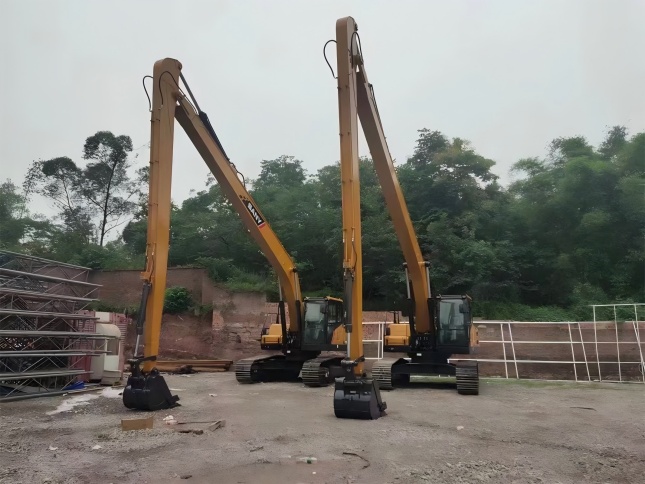
In the construction machinery industry, excavator long arms have become essential tools due to their unique functionality, providing efficient excavation and loading solutions for a wide range of projects. However, to ensure the long arms continues to operate reliably and to extend its service life, scientific and proper maintenance is crucial. Over years of practical experience and exploration, Dewanda has accumulated rich and practical knowledge in maintaining excavator long arms. The following is a detailed summary of their experience and tips.
I. Daily Maintenance
1. Appearance Inspection
A thorough inspection of the long arm's appearance before and after daily operation is a fundamental and vital task. Carefully observe the arm’s surface to check for scratches, dents, deformations, or cracks, with special attention to welded areas. These parts endure concentrated stress during frequent operations and are prone to fatigue cracks. If such cracks are not detected and repaired in time, they may lead to serious safety accidents.
Also, inspect all connecting bolts to ensure they are not loose. Loose bolts can cause misalignment and increase wear between components, possibly resulting in connection failure and compromising the overall structural integrity of the long arms.
2. Cleaning
Cleaning the long arms after each workday is essential. Use a high-pressure water gun or specialized cleaner to remove dirt, oil, and debris from the arm’s surface. Pay close attention to joints, gaps, and holes, as debris can easily accumulate in these areas. If not cleaned regularly, the accumulated debris may absorb moisture and become corrosive, damaging components over time. A clean surface also makes it easier to detect potential damage or abnormalities during inspections.
3. Lubrication
Lubrication is one of the most critical tasks for ensuring smooth operation of the long arms. Follow the manufacturer’s manual strictly and regularly lubricate all lubrication points. Generally, after every 50–80 hours of operation, use a grease gun to apply lubricant to the pins and joint bearings to ensure smooth rotation and sliding, effectively reducing wear.
In harsh environments—such as dusty, humid, or corrosive conditions—the lubrication interval should be shortened to maintain performance and prevent accelerated wear due to inadequate lubrication.
II. Regular Maintenance
1. Hydraulic System Maintenance
The hydraulic system is the power core of the excavator long arms and directly affects its performance. About once a month, check the hydraulic oil level, quality, and temperature. The oil level should remain within the normal range indicated on the sight glass. If it is below the minimum, promptly add the same type of hydraulic oil to avoid insufficient pressure, which can reduce the arm’s precision and output power.
Check the oil quality—if it appears dark, cloudy, has an odor, or contains impurities, it indicates oil degradation. Replace the hydraulic oil and filter immediately to maintain system cleanliness, prevent damage or blockages in hydraulic components, and ensure long-term efficiency and reliability.
Every quarter or half-year, perform a full inspection of the hydraulic system, including the pump, control valves, and cylinders. Check for leaks, wear, or signs of failure and repair or replace components as needed.
2. Structural Component Inspection
To ensure the structural integrity and precision of the long arms, inspect the structural parts every month or quarter using professional tools such as calipers or levels. Measure the straightness and vertical alignment of the arm body and check for any deformations caused by prolonged stress or collisions.
Inspect wear on joint parts like pins and bushings. If wear exceeds specified limits, replace them in time to avoid reduced precision or safety risks.
An annual non-destructive test is recommended, using methods like ultrasonic or magnetic particle testing to detect internal defects in welds or metal structures early and take preventive repair actions.
3. Tightening and Adjustments
Regularly checking and tightening all bolts and nuts on the long arms is critical to safe operation. Long-term vibrations and impacts during use can loosen bolts, causing unstable connections and increasing component wear and risk of accidents.
Follow equipment guidelines and use a torque wrench to properly check and tighten all fasteners. Also, inspect the gaps and travel limits at joints—adjust immediately if abnormalities are found to maintain precise and flexible movements.


III. Special Maintenance Scenarios
1. After Harsh Environment Operations
After operating in high-temperature, high-humidity, dusty, or corrosive environments, special maintenance is required. For instance, after seaside operations, thoroughly rinse the long arms with fresh water to remove salt, which can otherwise corrode the metal surface and affect component strength and performance.
In dusty environments, clean radiators and air filters to prevent blockages that reduce cooling efficiency and engine performance, potentially causing overheating and equipment failure.
2. During Long-Term Downtime
If the long arms will be idle for an extended period, first clean it thoroughly and then store it in a dry, well-ventilated area. Cover it with canvas or plastic sheeting to protect it from dust, rain, and debris.
Every few weeks (e.g., bi-weekly), start the machine briefly to circulate hydraulic oil, lubricate internal components, and prevent rusting, seal deterioration, or battery discharge, ensuring smooth restart and avoiding costly repairs.
IV. Operator Guidelines
1. Proper Operation
Operators directly control the long arms and their technique greatly impacts its performance and lifespan. Operate the long arms according to standard procedures, avoiding rough handling and overloading.
During excavation and loading, adjust digging force and angles based on soil hardness and moisture to avoid excessive stress that can damage the arm’s structure or hydraulic system. Safe and rational operation not only extends equipment life but also improves work efficiency.
2. Timely Feedback
Operators should closely monitor the long arms during operation. Any unusual noises, vibrations, or erratic movements must be reported immediately. Stop the machine for inspection and provide detailed feedback to maintenance personnel, including when the issue started, its frequency, and associated symptoms. This helps technicians diagnose and fix problems quickly, reducing downtime and repair costs.
3. Maintenance Records
Maintaining detailed records of maintenance activities is a key part of equipment management. Document each service date, content, replaced parts, and any faults encountered.
By analyzing this data over time, managers can identify wear patterns and failure trends, develop more effective maintenance schedules, and improve reliability and stability throughout the long arm’s service life, supporting smooth construction operations.
Dewanda has developed a comprehensive and meticulous set of practices for maintaining excavator long arms. Through disciplined daily and periodic maintenance, appropriate responses to special conditions, and skilled operation with timely reporting, the performance and lifespan of excavator long arms can be greatly enhanced. These practices ensure continued efficiency in various engineering projects, providing strong support for construction productivity and operational safety.
Contact us for more information //www.dewandaparts.com/
Common failures and solutions of excavator long arms
The importance of boom and stick on an excavator
Related Article