What Can a 13m Long Reach Boom for CAT 312 Be Used For

In many excavation projects, the main challenge is not digging power alone, but reach. Standard excavator boom configurations work well for routine trenching and general earthmoving, but they can become limiting when the machine must work across canals, ponds, embankments, or other hard-to-access areas. This is where a long reach boom becomes a practical solution.
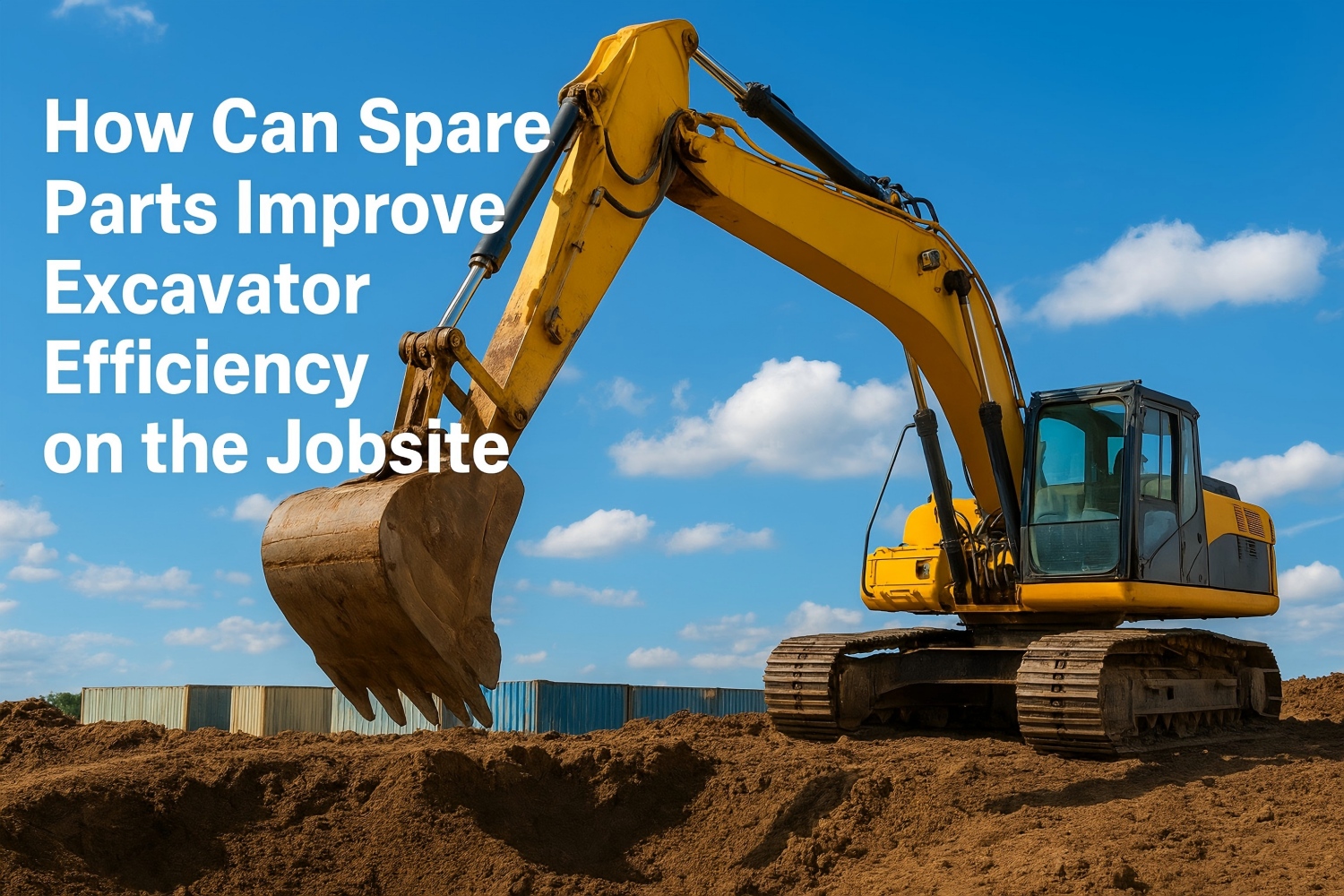
For contractors using the CAT 312 platform, a 13-meter long reach configuration can significantly expand the machine’s working envelope. Compared with a standard arm, it allows operators to work at longer distances and in deeper or wider areas without having to reposition the excavator too often. A 13m long reach boom for CAT 312 is therefore not simply an attachment upgrade. It is a jobsite efficiency tool for projects that require more coverage and better access. The product page says this setup is designed specifically for the CAT 312 and is widely used for pond maintenance, shallow dredging, slope trimming, and extended-distance loading.
Canal Cleaning and Irrigation Maintenance
One of the most common uses of a 13m long reach boom is canal and irrigation cleaning. In agricultural and water management projects, operators often need to remove mud, vegetation, and built-up sediment along narrow channels. A standard boom may require constant repositioning of the machine or may not reach the full working area efficiently.
With a longer working radius, the excavator can clean longer sections from a safer and more stable position. This improves productivity and helps reduce unnecessary machine movement, which is especially useful on narrow farm roads or soft ground near irrigation systems. According to the product page, this configuration is well suited for farm canals and long, narrow embankments where standard digging range is not enough.
Shallow Dredging in Ponds and Small Rivers
Another important use is shallow dredging. In pond maintenance, river cleaning, and similar water-related jobs, contractors often need to remove silt or loose sediment without driving the excavator into unstable ground or into the water itself. A longer arm gives the operator more reach from the bank, which improves working safety and reduces site risk.
This is one of the strongest reasons buyers choose long reach boom assemblies. The CAT 312 13m setup is described as suitable for small river and pond dredging because it provides enough reach to remove sediment while keeping the machine outside the water. For contractors handling environmental maintenance or seasonal waterway cleaning, that kind of reach can make a major difference in both efficiency and machine protection.
Slope Shaping and Bank Finishing
Slope shaping is another area where a long reach boom performs very well. Water conservancy projects, drainage channels, and embankment work often require a clean and consistent slope profile. A standard excavator can do this in some cases, but the operator may need to keep moving the machine and adjusting position to maintain accuracy.
A 13m long reach boom makes it easier to shape banks from a more controlled distance. This allows better coverage over a wider area and helps improve finishing quality when trimming slope lines or maintaining side angles. The product page specifically highlights slope finishing and bank shaping as key applications for this CAT 312 long reach configuration, especially in projects where reach and profile consistency matter.
Extended Trenching and Foundation Preparation
Although long reach booms are often associated with dredging, they can also be useful in construction-related work. On large sites, utility projects, and foundation preparation jobs, extra reach can help when digging extended trenches or preparing areas that are difficult to access with a standard setup.
For example, if a contractor needs to excavate farther from the machine position due to obstacles, soft edges, or limited access routes, a long reach system can provide practical working distance without repeatedly relocating the excavator. Dewanda’s CAT 312 long reach page notes that the configuration is useful for extended trenches for utility installations and for preparing larger working areas, which makes it relevant not only for water projects but also for certain construction applications.
Long-Distance Loading of Light Materials
A 13m long reach boom can also be used for long-distance handling of sand, soil, and other lightweight materials. In jobs where the excavator must load material farther away from its base position, a longer boom can improve coverage and reduce the number of repositioning movements needed during operation.
This kind of use is especially valuable when operating around edges, ditches, or restricted areas where moving the machine too often may slow productivity. The product page notes that the setup is an effective choice for long-distance loading tasks that require a wider working envelope, which adds another layer of versatility to the CAT 312 platform.
Why This Configuration Works Well on the CAT 312 Platform
Not every excavator is equally suited for every long reach configuration. One important advantage of this product is that it is specifically designed for the CAT 312 class rather than being presented as a generic boom solution. The product page says the structural dimensions and weight distribution are tailored for the CAT 312 so the machine can maintain balanced performance without sacrificing stability. It also says the hydraulic cylinder mounting points follow CAT layout standards, which helps support connection with original or aftermarket cylinders.
For buyers, this matters because compatibility is just as important as reach. A properly matched long reach boom can support safer operation, smoother hydraulic performance, and more predictable working behavior on site. Contractors looking for a CAT 312 long reach excavator boom usually care not only about length, but also about whether the attachment is engineered to work reliably with the base machine.
What Buyers Should Consider Before Choosing One
Before ordering a long reach boom, buyers should think carefully about the actual work conditions. Reach is important, but so are bucket load, ground conditions, and stability needs. The product page notes that the CAT 312 normally keeps good balance with its factory counterweight during standard dredging and trimming, while heavier bucket loads or continuous extended reach work may require an additional 500 to 900 kg rear weight. It also recommends track widening plates for soft ground or water-edge work.
This is a useful reminder that selecting the right configuration depends on the project. Buyers should evaluate:
- the type of material being handled
- the required working distance
- whether the machine will operate near soft ground or water
- whether a special bucket or reinforced setup is needed
- whether counterweight adjustments will improve safety and efficiency
These practical points can have a direct effect on long-term performance and operator confidence.
Conclusion
A 13m long reach boom for CAT 312 can be used in a wide range of applications, but it is especially valuable for canal cleaning, shallow dredging, pond maintenance, slope shaping, extended trenching, and long-distance loading of lightweight materials. Its main advantage is simple: it allows the excavator to work farther and more effectively in areas where a standard boom would be limited. The product page also emphasizes CAT 312-specific fit, extended reach, optional package components, and suitability for water-edge and embankment work.
For contractors who need greater reach without moving into a much larger machine platform, this configuration can be a practical upgrade. If you are looking for a solution for dredging, bank shaping, or long-distance excavation, you can review this 13m long reach boom for CAT 312 to see whether it matches your project requirements.
How to Match Used Bobcat Excavator Buckets with Your Machine Model
Related Article