Everything You Need to Know About Excavator Cylinder Repair
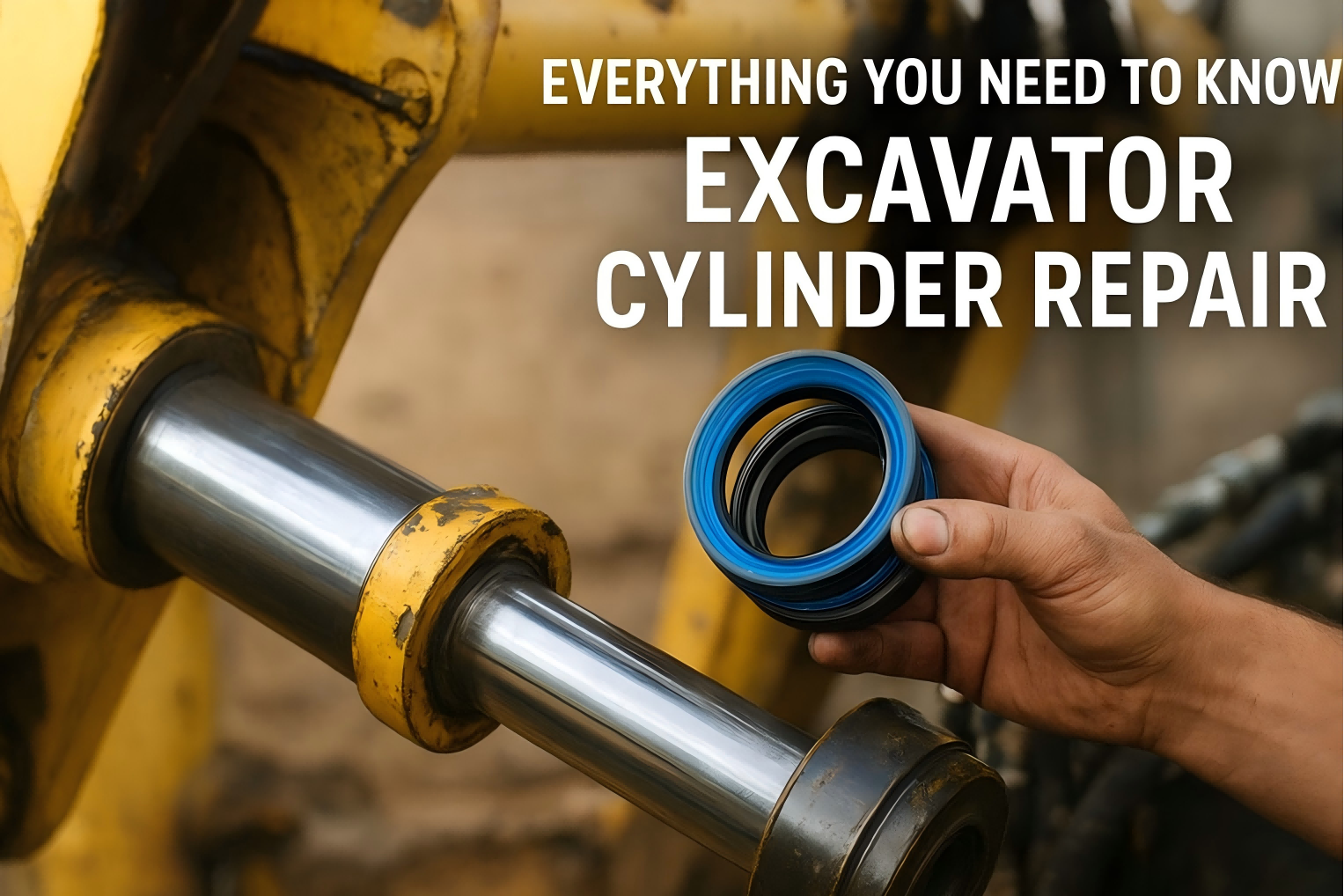
This article will explain everything you need to know about excavator cylinder repair, including how these cylinders work, the common causes of failure, how to rebuild them, and how the right hydraulic seal kit can restore your machine’s performance.
Understanding the Excavator Cylinder
What Is an Excavator Cylinder?
An excavator cylinder is a hydraulic actuator that converts fluid pressure into linear motion. In simple terms, it’s what allows your excavator’s boom, arm, and bucket to move. Each cylinder contains a piston, rod, and various seals that keep hydraulic fluid under high pressure.
There are typically three main types of excavator cylinders on a standard machine:
Boom cylinder: Raises and lowers the boom.
Arm cylinder: Controls the reach of the arm.
Bucket cylinder: Powers the digging and lifting action.
Without properly functioning excavator cylinders, even the most powerful excavator can’t perform efficiently.
How the Excavator Cylinder Works
The excavator cylinder operates based on Pascal’s Law — when hydraulic fluid is pressurized, the force is transmitted equally in all directions. This pressurized oil enters the cylinder through hoses, pushing the piston inside. As the piston moves, it drives the rod outward, generating powerful motion that lifts, digs, or pushes heavy materials.
Seals within the cylinder are vital. They prevent hydraulic oil from leaking and keep contaminants from entering the system. That’s why the hydraulic seal kit plays such an essential role in every excavator cylinder repair.
Common Problems in Excavator Cylinders
Even high-quality excavator cylinders are exposed to extreme pressure, heat, and heavy workloads, making them vulnerable to wear over time. Below are the most common issues operators face:
1. Oil Leakage
Oil leaks are the most common sign that your excavator cylinder needs repair. Leaks usually occur when the hydraulic seal kit fails due to wear, contamination, or age.
2. Rod Damage
A bent or scratched piston rod can cause uneven movement, seal failure, and internal damage. This often happens when debris hits the rod or when the cylinder operates under misalignment.
3. Seal Failure
Seals inside the excavator cylinder are critical for maintaining pressure. When they wear out, the cylinder loses efficiency, leading to slower or weaker movements. A high-quality hydraulic seal kit can restore proper sealing and prevent further damage.
4. Corrosion and Contamination
Moisture, dirt, or dust entering the cylinder can corrode metal components, damaging both the piston and seals.
5. Internal Leakage
When oil bypasses the piston seals, the excavator cylinder may extend or retract slowly, reducing power. This issue often indicates that the piston seals in the hydraulic seal kit need replacement.
Signs That Your Excavator Cylinder Needs Repair
It’s important to recognize early signs of trouble before they lead to costly downtime. Look out for:
Hydraulic oil on the cylinder rod or surrounding components.
Loss of digging or lifting power.
Unusual noises during operation.
Jerky or slow cylinder movement.
Frequent need to add hydraulic fluid.
If you notice these symptoms, it’s time to inspect your excavator cylinder and replace the hydraulic seal kit if necessary.
Step-by-Step Guide to Excavator Cylinder Repair
Repairing an excavator cylinder involves precision, the right tools, and attention to detail. Here’s a simplified overview of the process:
Step 1: Remove the Cylinder
Detach the excavator cylinder from the machine carefully. Make sure all hydraulic lines are depressurized before removal.
Step 2: Disassemble the Cylinder
Secure the cylinder in a vise, then remove the gland nut and pull out the rod assembly. This exposes the piston, seals, and internal components.
Step 3: Inspect All Parts
Check the rod for scratches or bending, and examine the piston and cylinder bore for scoring or corrosion. If any component is damaged beyond repair, replace it.
Step 4: Replace the Hydraulic Seal Kit
Remove the old seals and install a new hydraulic seal kit. Each kit usually includes rod seals, piston seals, wiper seals, and backup rings. Make sure to use a high-quality hydraulic seal kit designed specifically for your excavator model.
Step 5: Reassemble the Cylinder
Lubricate the seals and carefully reassemble the excavator cylinder. Torque all components to manufacturer specifications to prevent leaks.
Step 6: Test the Cylinder
After reinstallation, run the excavator and test all cylinder functions. Watch for any leaks or irregular movement.
A properly repaired excavator cylinder with a new hydraulic seal kit can perform as efficiently as a brand-new one when done correctly.
The Importance of Using the Right Hydraulic Seal Kit
The hydraulic seal kit is the heart of the cylinder repair process. These seals maintain internal pressure and prevent contamination. Using an incorrect or low-quality seal kit can cause premature failure and costly downtime.
When selecting a hydraulic seal kit, consider:
Material compatibility: Choose seals made of nitrile, polyurethane, or Viton based on your working environment.
Size precision: Even small differences in seal size can lead to leaks.
Temperature and pressure ratings: Ensure the hydraulic seal kit matches the system’s working pressure and temperature.
Investing in a high-quality hydraulic seal kit ensures your excavator cylinder operates smoothly under any condition.
Rebuilding vs. Replacing an Excavator Cylinder
When your excavator cylinder is severely damaged, you might wonder whether to rebuild or replace it.
When to Rebuild:
Minor rod scratches or seal wear.
The cylinder body is in good shape.
Cost of parts and labor is lower than a new unit.
When to Replace:
Deep scoring or internal corrosion.
Bent or cracked cylinder housing.
Repeated seal failures even after new hydraulic seal kits are installed.
In many cases, rebuilding with a reliable hydraulic seal kit is the most economical choice, especially for older machines or when quick turnaround is needed.
Preventing Excavator Cylinder Damage
Preventive maintenance is the key to extending the lifespan of your excavator cylinder.
Regular Inspections: Check for leaks, dirt buildup, or damaged seals weekly.
Use Clean Hydraulic Oil: Contaminated oil can destroy seals quickly.
Protect the Rod: Avoid exposing the cylinder rod to sharp debris or impact.
Replace Seal Kits Periodically: Installing a new hydraulic seal kit before failure occurs can prevent major breakdowns.
Proper Storage: When storing cylinders, keep them retracted to protect the rod from corrosion.
Consistent care ensures that your excavator cylinder and hydraulic seal kit deliver maximum durability and performance.
How Excavator Cylinder Quality Affects Attachments
The efficiency of your excavator cylinder directly impacts every excavator attachment you use — from buckets and rippers to hydraulic thumbs and breakers. A weak or leaking cylinder can reduce attachment power, slow cycle times, and increase fuel consumption.
For heavy-duty attachments, such as a hydraulic breaker or crusher, a strong and well-sealed excavator cylinder is essential to maintain consistent force and reliability. That’s why professionals always keep spare hydraulic seal kits in stock for quick maintenance.
Choosing a Reliable Supplier for Excavator Cylinders and Seal Kits
Not all suppliers offer the same quality or precision. When sourcing excavator cylinders or hydraulic seal kits, look for a provider with:
Experience in construction and hydraulic systems.
Access to compatible seal kits for major brands like CAT, Komatsu, Hitachi, Volvo, and Doosan.
After-sales support and technical assistance.
A trustworthy supplier ensures that your excavator cylinder repair is done right the first time, saving both time and money.
Dewanda — Your Trusted Partner for Excavator Parts
At Dewanda, we specialize in high-quality excavator cylinders, hydraulic seal kits, and a full range of excavator attachment options. Whether you need a replacement cylinder, a rebuild kit, or other durable hydraulic components, Dewanda provides reliable products that meet international standards.
Our expert team offers technical support and professional advice to help you select the right parts for your machine. We stock a wide range of hydraulic seal kits for different brands and models, ensuring quick delivery and dependable performance.
If you’re looking for premium quality, competitive prices, and professional service, contact us today — Dewanda is ready to help you keep your excavator running at its best.
What Is the Lifespan of a Hydraulic Pump in an Excavator
Can One Attachment Fit Different Brands of Excavators
Related Article