How to Avoid Downtime with Proper Spare Parts Inventory

The High Cost of Downtime in Construction Projects
Downtime is more than just a temporary pause in work—it has ripple effects across multiple layers of a project. A broken hydraulic pump, a damaged cylinder seal, or even a missing bolt can cause delays that impact the entire schedule. For large-scale projects, every hour of downtime may cost thousands of dollars.
Some of the most common costs associated with downtime include:
Direct financial losses: Idle labor, rental fees, and penalties for project delays.
Reduced equipment productivity: Excavators sitting idle mean fewer tasks completed.
Opportunity costs: Missed opportunities to take on additional contracts.
Reputation damage: Clients may lose confidence in a contractor’s reliability.
This is why downtime prevention has become a strategic priority for many construction companies. The most effective method is ensuring that a proper spare parts inventory is always available, especially for excavators and other high-use machines.
Why Excavators Depend on Spare Parts Readiness
Excavators are used in a wide variety of environments—from digging trenches to quarrying, demolition, and riverbank reinforcement. Because they operate under extreme conditions, parts wear out quickly. Having the right excavator spare parts available at the right time directly reduces downtime.
Key reasons why excavator spare parts inventory is so important include:
High usage frequency: Excavators often work long shifts, accelerating wear and tear.
Critical role in projects: If an excavator fails, many other machines and workers are left idle.
Complex hydraulic systems: Excavators rely on pumps, motors, seals, and hoses that are prone to damage under heavy load.
Difficult logistics: Some parts may take weeks to source internationally, making inventory planning essential.
Without a reliable spare parts system, downtime prevention becomes impossible, and project risks multiply.
Identifying Critical Excavator Spare Parts
Not every component of an excavator needs to be stocked in large quantities. Instead, companies should focus on critical and fast-wearing parts that directly influence productivity. Some of the most common categories include:
Hydraulic components: Pumps, motors, hoses, cylinders, and seals.
Undercarriage parts: Track chains, rollers, sprockets, and idlers.
Engine parts: Filters, injectors, belts, and gaskets.
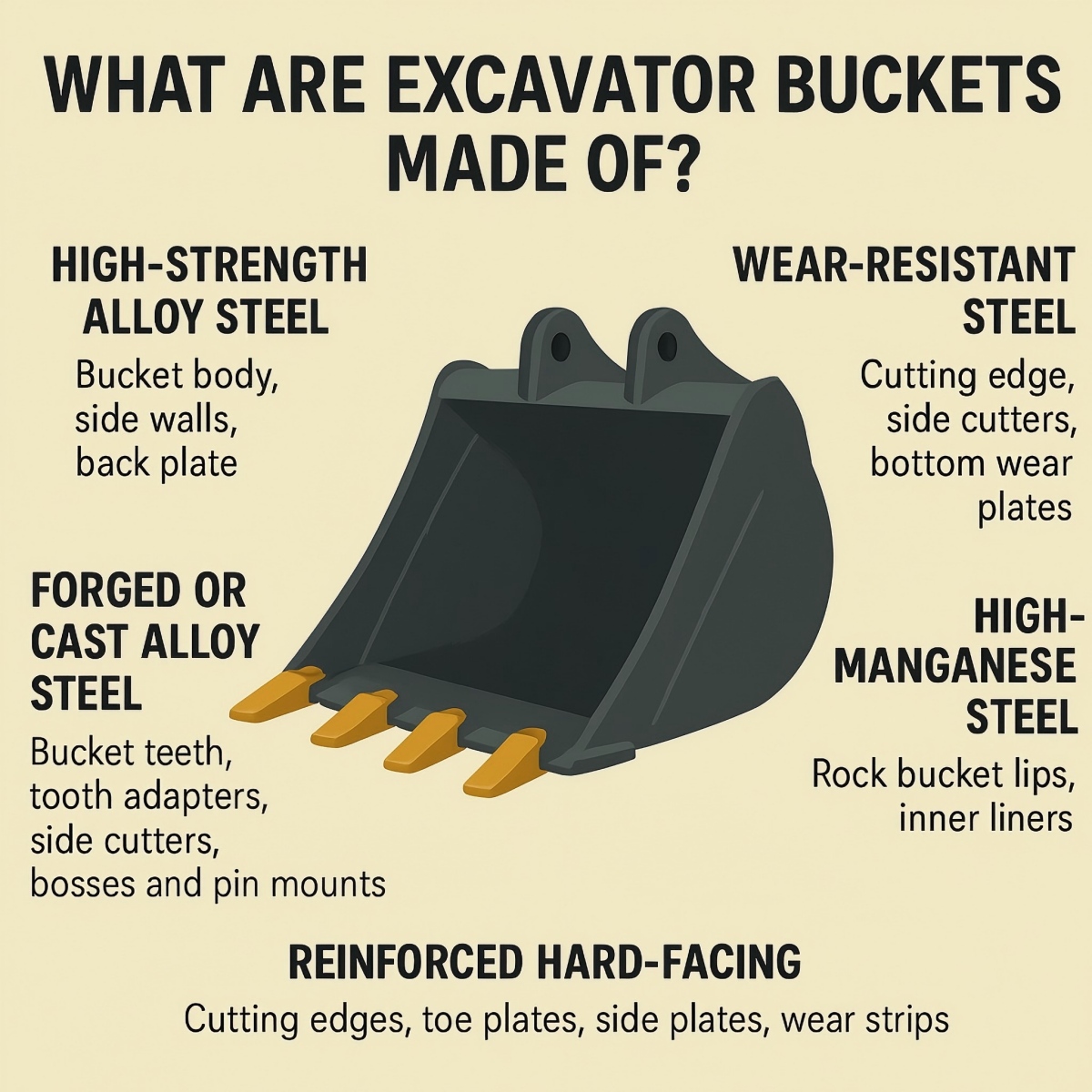
Wear parts: Buckets, bucket teeth, cutting edges, and adapters.
Pins and bushings: Essential for arm and boom movement.
By analyzing past breakdowns, usage patterns, and OEM recommendations, companies can build a spare parts inventory that balances cost and availability, while reinforcing downtime prevention.
Best Practices in Spare Parts Inventory Management
Maintaining the right spare parts stock is not just about purchasing more components. It requires systematic planning and execution. Here are some best practices:
1. ABC Classification of Spare Parts
Use the ABC method to classify parts:
A parts: Critical to machine operation, high cost, but low in quantity. These must always be in stock.
B parts: Moderate cost and importance. Stock in limited quantities.
C parts: Low cost and easy to source. Keep minimal inventory.
This system ensures that essential excavator spare parts are always available, supporting downtime prevention.
2. Forecasting and Predictive Maintenance
Instead of waiting for failures, use predictive maintenance strategies:
Track operating hours of hydraulic pumps, motors, and engines.
Use telematics data to anticipate when replacements will be required.
Align spare parts purchasing with maintenance schedules.
This proactive approach ensures excavator spare parts are available before downtime occurs.
3. Supplier Relationships and Multi-Channel Sourcing
Relying on a single supplier can be risky. Building strong relationships with multiple spare parts suppliers creates flexibility and reliability. Trusted partners can provide faster delivery and technical support, reducing the risk of unexpected downtime.
4. Digital Inventory Systems
Modern ERP or inventory management systems allow companies to:
Monitor stock levels in real time.
Automate reordering processes.
Analyze consumption data to optimize purchasing.
Reduce overstocking while ensuring availability of critical parts.
5. Standardization Across Fleets
If a company operates excavators from multiple brands (CAT, Volvo, Hitachi, Komatsu, Doosan, etc.), maintaining unique spare parts for each model can become expensive. Standardizing equipment models across projects helps reduce spare parts variety, lowering costs while still supporting downtime prevention.
Common Mistakes to Avoid in Spare Parts Inventory
Even experienced contractors sometimes make mistakes in managing spare parts inventory. Some of the most common errors include:
Overstocking unnecessary parts – tying up cash flow in slow-moving components.
Underestimating lead times – especially for imported excavator spare parts.
Neglecting documentation – losing track of where parts are stored.
Ignoring preventive replacement schedules – waiting for failure instead of planning.
Not training staff – technicians must know how to handle, store, and use spare parts correctly.
Avoiding these mistakes is a vital step toward effective downtime prevention.
Case Example: Excavator Spare Parts in Mining Operations
A mining contractor operating in remote regions faced frequent downtime because of hydraulic failures in their excavators. Due to the remote location, replacement parts sometimes took three weeks to arrive.
By implementing a proper excavator spare parts inventory system, including critical hydraulic seals, pumps, and track parts, the company reduced average downtime from 120 hours per month to less than 15 hours. This not only saved costs but also improved overall project reliability.
This case highlights how spare parts planning directly supports downtime prevention in demanding industries.
The Role of Training and Knowledge
Even with the best inventory in place, untrained personnel can cause delays. Staff need to be educated in:
Identifying early signs of wear on excavator parts.
Proper handling and installation of replacement components.
Recording stock movement and reporting low inventory.
A skilled maintenance team combined with a well-managed excavator spare parts system ensures maximum uptime and effective downtime prevention.
How Dewanda Supports Customers in Spare Parts Planning
At Dewanda, we specialize in supplying high-quality excavator spare parts to international clients. Our focus is not just selling components but also helping customers implement practical downtime prevention strategies.
We provide:
Customized spare parts kits for different excavator models and site conditions.
OEM and aftermarket options to balance cost and quality.
Technical support and consultation to create tailored inventory strategies.
Fast logistics solutions to reduce waiting times for urgent orders.
By partnering with us, contractors and equipment owners gain access to a reliable supply chain that directly reduces the risk of downtime.
Can the Right Spare Parts Inventory Prevent Downtime?
Downtime is one of the biggest threats to profitability in the heavy equipment sector. For companies that rely on excavators, proper spare parts inventory is not a luxury—it is a necessity. By carefully identifying critical parts, applying inventory best practices, leveraging predictive maintenance, and partnering with reliable suppliers, businesses can dramatically reduce downtime risks.
Excavator spare parts management is the foundation of downtime prevention. When done right, it keeps machines running, workers productive, and projects profitable.
What Is a Hydraulic Breaker Hammer and How Does It Work?
Why Choose a Ripper for Mini Excavator Projects?
Related Article