What Is the Lifespan of a Hydraulic Pump in an Excavator
Understanding the Function of an Excavator Hydraulic Pump
The excavator hydraulic pump is essentially the heart of the hydraulic system. It provides the pressure and flow necessary for the excavator to perform heavy-duty tasks such as digging, lifting, and swinging. When an operator pulls a control lever, the excavator hydraulic pump sends pressurized oil through hoses to hydraulic cylinders or motors, enabling the machine to move efficiently.
There are typically two main types of excavator hydraulic pumps:
Main pumps, which power primary functions like the boom, arm, and bucket.
Pilot pumps, which control small movements and signal main valve functions.
Without a properly functioning excavator hydraulic pump, the entire hydraulic system loses power, making the machine slow, unresponsive, or completely inoperative.
Average Lifespan of an Excavator Hydraulic Pump
The lifespan of an excavator hydraulic pump depends on various factors, including maintenance, workload, operating conditions, and hydraulic oil quality. On average, a high-quality excavator hydraulic pump can last between 5,000 to 10,000 operating hours under normal working conditions.
However, heavy-duty use, contamination, or overheating can shorten this lifespan significantly. Regular inspection and maintenance of excavator hydraulic pump parts—such as seals, bearings, pistons, and swash plates—can extend service life and prevent premature hydraulic pump replacement.
Factors That Affect Hydraulic Pump Lifespan
1. Operating Conditions
If an excavator frequently works in dusty, muddy, or high-temperature environments, the excavator hydraulic pump experiences more stress. Contaminants can enter the hydraulic system and cause internal wear or scoring on pump components. Regular cleaning and using quality filters help prevent damage to excavator hydraulic pump parts.
2. Hydraulic Oil Quality
Using low-grade or contaminated oil is one of the most common causes of premature hydraulic pump replacement. Clean, high-quality hydraulic oil ensures smooth movement of internal parts and reduces friction. It is recommended to replace the oil and filters regularly based on the manufacturer’s maintenance schedule to protect the excavator hydraulic pump.
3. Maintenance Practices
Routine maintenance is essential for achieving the full lifespan of the excavator hydraulic pump. Checking for leaks, abnormal noises, or changes in pressure can help detect early signs of wear. Neglecting such checks may lead to failure, forcing an unplanned hydraulic pump replacement.
4. Operator Skill
Experienced operators can extend the life of the excavator hydraulic pump by avoiding abrupt movements or overloading the machine. Smooth operation reduces the strain on internal excavator hydraulic pump parts such as pistons and cylinder blocks.
5. Pump Design and Brand Quality
Not all excavator hydraulic pumps are created equal. Pumps from top manufacturers like Kawasaki, Nachi, and Rexroth tend to last longer due to superior design and high-precision materials. Choosing genuine excavator hydraulic pump parts ensures proper compatibility and reliability.
Warning Signs of a Failing Excavator Hydraulic Pump
Recognizing early warning signs of excavator hydraulic pump wear can prevent major breakdowns. Here are the most common symptoms:
1. Slow or Weak Operation
If the boom or bucket moves slower than usual, it may indicate internal leakage or loss of pressure within the excavator hydraulic pump.
2. Strange Noises
A whining or knocking sound from the hydraulic system usually means air or contamination has entered the excavator hydraulic pump parts.
3. Excessive Heat
If the system runs hotter than normal, friction between worn-out parts increases. This is a common signal that hydraulic pump replacement might be necessary.
4. Metal Contamination in Oil
Finding metal flakes or particles in the oil filter is a serious warning. It suggests that internal excavator hydraulic pump parts are grinding or wearing down.
5. Oil Leaks
Oil leaks around the pump housing or fittings often point to damaged seals. Left unchecked, this can result in total pump failure and the need for hydraulic pump replacement.
Maintenance Tips to Extend Pump Lifespan
1. Regular Oil and Filter Changes
To maintain the best performance of your excavator hydraulic pump, always follow a strict oil change schedule. Replace hydraulic oil filters at every service interval to prevent contamination from damaging excavator hydraulic pump parts.
2. Keep the System Clean
Dirt and water are the biggest enemies of hydraulic systems. Use proper storage, sealing, and handling procedures when dealing with oil to protect your excavator hydraulic pump.
3. Monitor Operating Pressure
Excessive pressure can overstress the excavator hydraulic pump and lead to internal damage. Periodically check system pressure and ensure it matches the manufacturer’s specifications to avoid early hydraulic pump replacement.
4. Use Genuine Spare Parts
When replacing worn components, always choose genuine excavator hydraulic pump parts from trusted suppliers. Poor-quality parts can cause premature failure and cost more in the long term.
5. Schedule Professional Inspections
Having your excavator hydraulic pump inspected by certified technicians ensures early detection of potential issues. Professional assessments help you decide when a hydraulic pump replacement is truly needed.
When to Consider Hydraulic Pump Replacement
Even with perfect maintenance, every excavator hydraulic pump eventually wears out. The typical indicators for hydraulic pump replacement include loss of hydraulic pressure, frequent overheating, and excessive noise. If repairs become frequent and costly, replacing the entire pump might be the most cost-effective solution.
A timely hydraulic pump replacement restores system efficiency, prevents further damage to other excavator hydraulic pump parts, and reduces downtime on construction sites. Always ensure that the replacement pump matches your excavator model and hydraulic flow requirements.
Choosing the Right Excavator Hydraulic Pump Parts
When it’s time for maintenance or hydraulic pump replacement, selecting the right excavator hydraulic pump parts is crucial. Components such as pistons, bearings, seals, and cylinder blocks must meet OEM specifications to ensure perfect fit and performance.
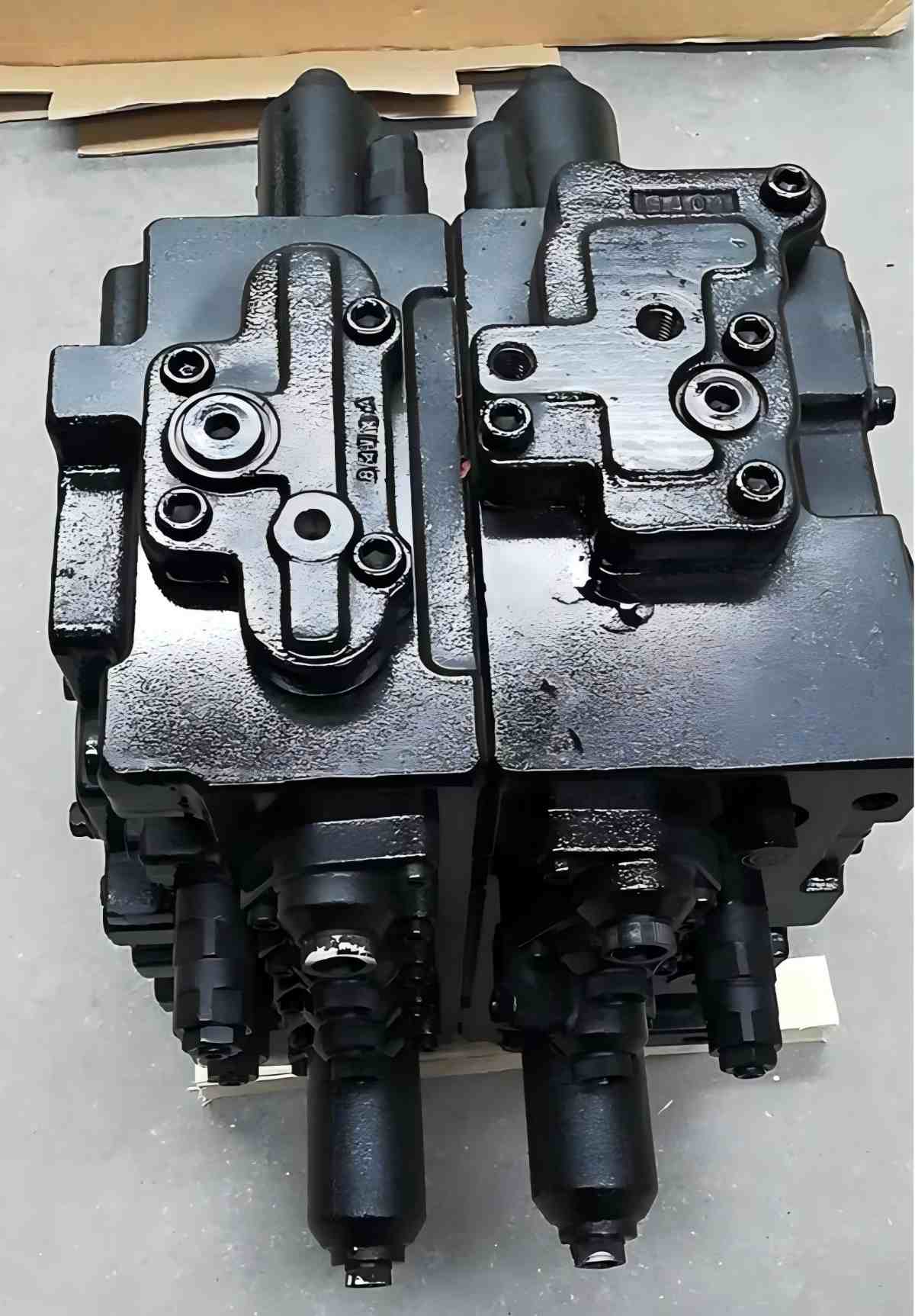
In addition to the main pump, pay attention to related systems like valves, hoses, and actuators. Damaged or dirty components can quickly ruin a new excavator hydraulic pump, making quality parts and installation essential.
The Role of Excavator Attachments and Hydraulic Performance
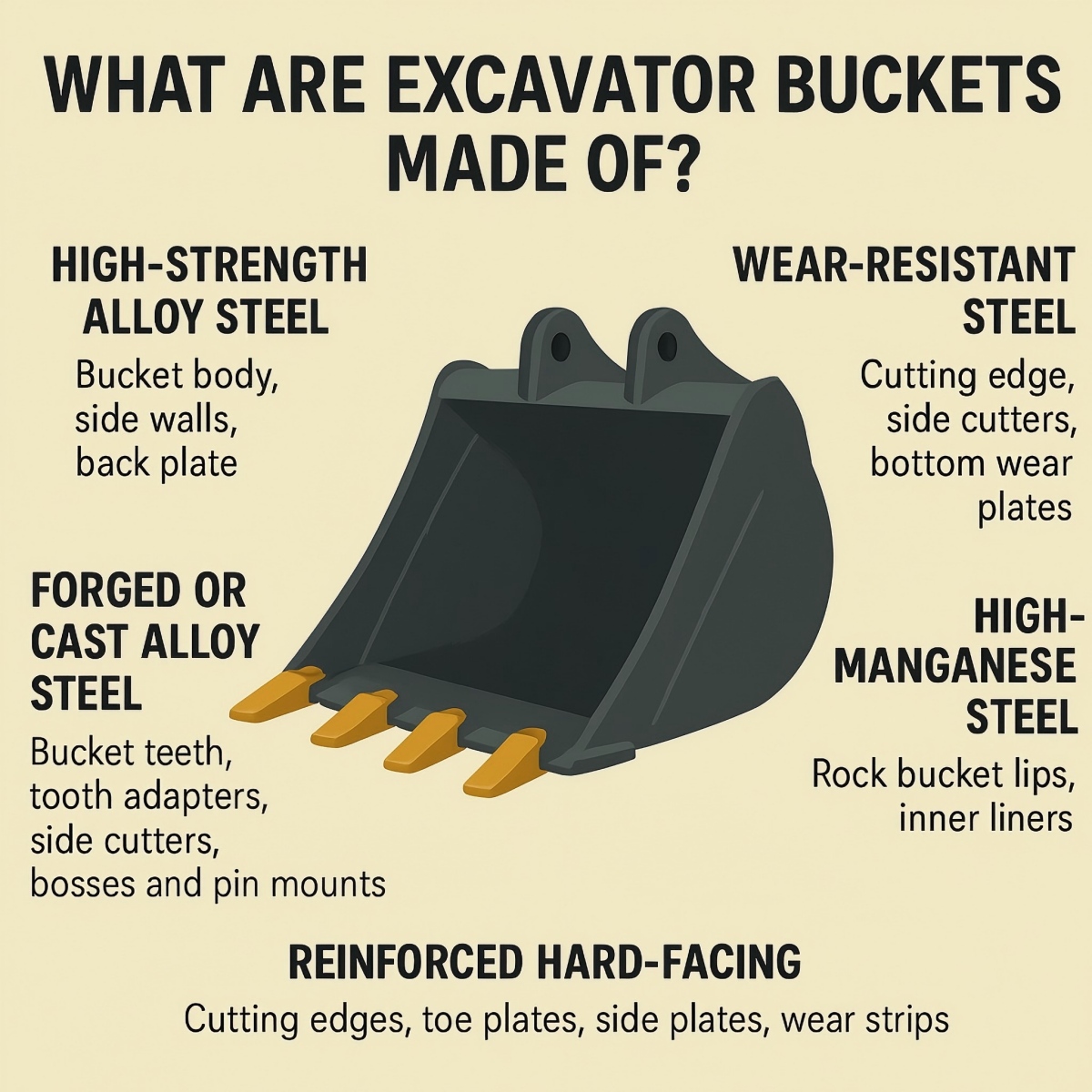
Modern excavators often use specialized excavator attachments, such as breakers, augers, or thumbs, which rely heavily on the excavator hydraulic pump. Using the correct flow and pressure settings for each product helps avoid overloading the system. Mismatched flow rates can cause overheating and wear on excavator hydraulic pump parts, leading to early hydraulic pump replacement.
For this reason, ensuring that all excavator parts—including the hydraulic pump, cylinders, and attachments—are properly matched and maintained will maximize performance and longevity.
Maximizing Efficiency with Proper Hydraulic Pump Care
Consistent monitoring and preventive maintenance can double the lifespan of an excavator hydraulic pump. Operators should check for temperature rises, noise changes, and oil conditions daily. By identifying small problems early, you can avoid sudden breakdowns and extend the interval before hydraulic pump replacement becomes necessary.
Upgrading to modern excavator hydraulic pump parts with improved materials or coatings can also increase durability, especially in high-load or mining applications. This proactive approach ensures long-term stability and reduces operating costs.
High-Quality Excavator Hydraulic Pumps and Parts from Dewanda
At Dewanda, we specialize in reliable excavator parts, including excavator hydraulic pumps, hydraulic pump replacement solutions, and premium-quality excavator hydraulic pump parts. Our product range covers a wide selection of models suitable for CAT, Komatsu, Volvo, Doosan, and other leading brands.
We also provide durable excavator attachments and customized hydraulic solutions designed for heavy-duty performance and long service life. Whether you need a complete hydraulic pump replacement or specific excavator hydraulic pump parts, our engineering team ensures top-tier quality and fast delivery.
If you are looking to enhance your excavator’s hydraulic efficiency or require professional support, please contact us for more details about our full range of products and services.
What Are the Best Tips for Exporting Excavator Attachments Overseas
Everything You Need to Know About Excavator Cylinder Repair
Related Article